Yudha Kusuma Putera, who is familiarly called Fehung live and works in Yogyakarta. In 2011, Fehung began to join with the collective artists MES 56, which focuses on the development of contemporary photography in Indonesia. Fehung’s art works often show the position of the art or the artist in society. He mostly uses medium or perspective of photography in his work, in the form of installations and nteractive work.
Solo Exhibition
2013 Outkick the Coverage, Ruang Mes 56, Yogyakarta, Indonesia
2012 Alam Bawah Sadar dalam Staged Photography, FSMR ISI Yogyakarta
2012 Meminjam Mata dan Melihat Ruang, Kedai Kebun Forum, Yogyakarta
Group Exhibition
2022
Salone del Sneakers, Art and Sneakers Exhibition, C On Temporary, Bandung
2021
Iwaya Community Art Biennale, ICAB Lagos 2021, Lagos
Cerita Nyah Lasem, Museum Nyah Lasem, Lasem-Rembang
Mereka Rekam, Festival Kebudayaan Yogyakarta 2021, Citraweb Yogyakarta
antage Point Sharjah 9, Sharjah Art Foundation, Al Hamriyah Studio
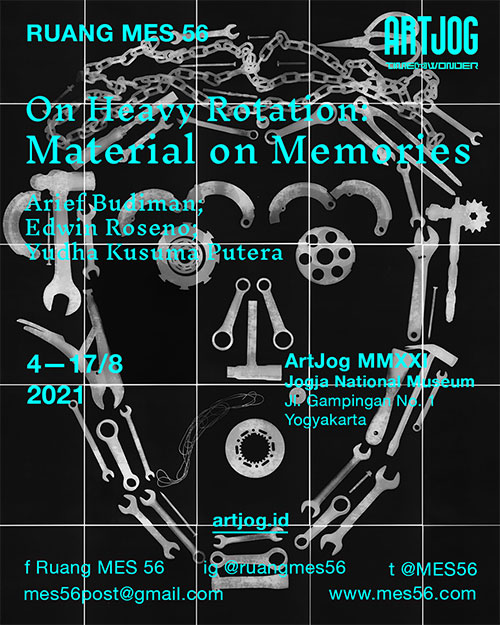
“On Heavy Rotation: Material on Memories”, Mes 56 on Artjog MMXXI, Jogja National Museum Online exhibition, Finalist Julius Baer Next Generation Art Prize, Singapore
2020
Serigram exhibition, TERATOTERA 2020, Ruang Mes 56, Yogyakarta
Art Jakarta Virtual exhibition, booth Bale Project Bandung
2019
Contemporary Worlds: Indonesia, National Gallery of Australia, Canberra
Wirama, Festival Kebudayaan Yogyakarta 2019, Museum Sonobudoyo, Yogyakarta.
2018
Common Id – eas, Kersan Art Studio, Yogyakarta
2017
Biennale Jogja XIV, Age of Hope, Jogja National Museum, Yogyakarta
FOAM x Ruang MES 56, FOAM Photography Museum, Amsterdam
UNSEEN CO-OP, Ruang MES 56, Wetergasfabriek, Amsterdam
Digital print on fineart paper on wood frame. 1/3 Edition 1 Artist Proof
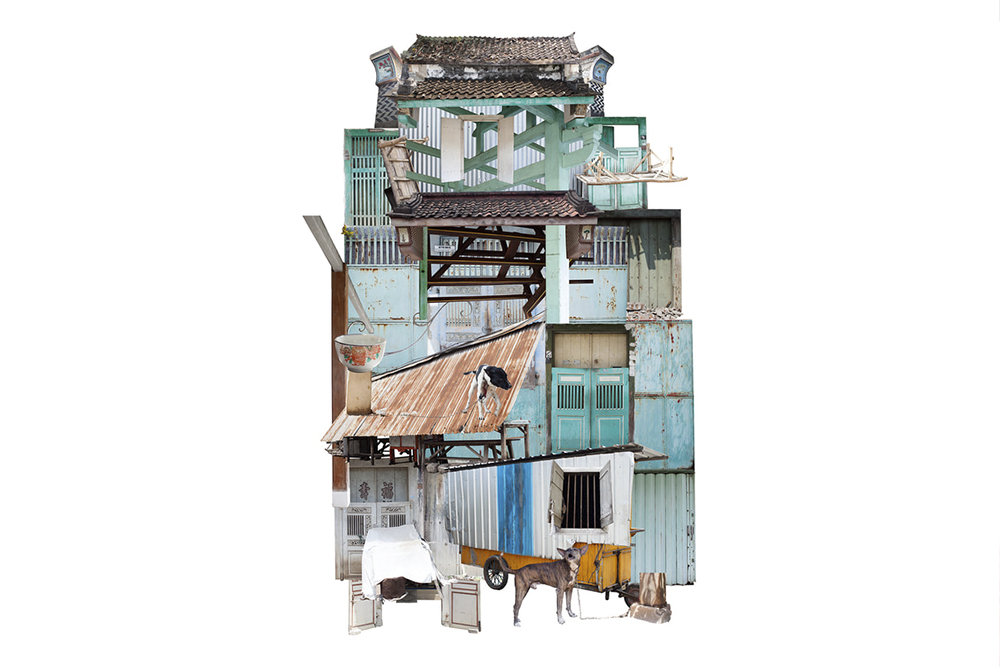
In mid-2021, I had the opportunity to create new works and exhibit in Lasem City, Rembang, Central Java. The massive number of ancient buildings with Chinese architectural styles makes the city of Lasem also known as little China. Hundreds of years of cultural acculturation have given birth to a variety of priceless cultural heritage, as we can see in Batik Tiga Negeri, which reflects the fusion of Chinese, European and Javanese cultures. During my first visit to the city of Lasem, I tried to unleash the grand narratives that have already surfaced, such as diversity, tolerance and so on. Armed with limited knowledge about Lasem, I convinced myself to use intuition and personal impressions as a starting point for building ideas.
Our friend, mas Pop, who is also a local resident, became our guide in seeing Lasem, visiting from the usual places for tourism to entering the houses of anti-mainstream residents. Residential houses with Chinese architecture, lined up surrounded by high walls, grow along with carts and tents of street vendors attached to the walls around the Chinatown area. We also had the opportunity to visit the house of one of the residents who lives in the Chinatown area, the house is inhabited by a grandfather who is usually called Opa and Mrs. Minuk. A barking dog with a chain around its neck greeted us at the entrance of the house. After entering and having a little chat with Mrs. Minuk, for some reason I felt that the house with its Chinese architectural style seemed to isolate its inhabitants, as if it had a considerable distance from the outside world. At first we were quite awkward while looking around the house, for fear of invading privacy, but then mas Pop assured us that they were happy to be visited or cared for. Perhaps if it weren’t for the regular visits from Mas Pop and his guests, the residents of these old houses, many of whom are elderly, would be forgotten or disconnected from the outside world.
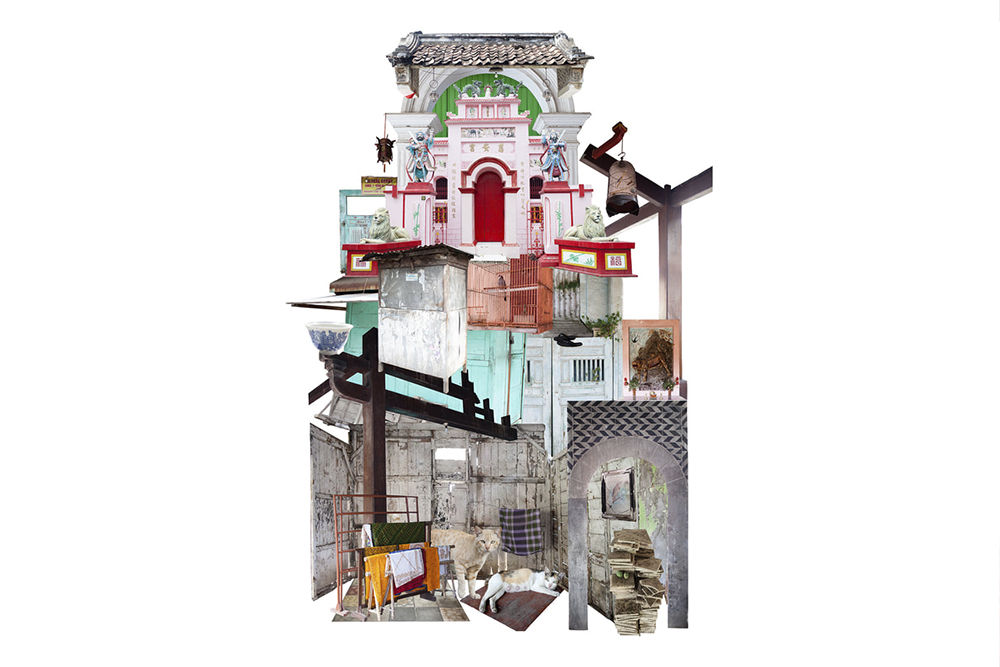
Another thing that caught my attention was during our visit to Cu An Khiong temple, the oldest temple in Lasem. In the inner side area of the temple, I found several birds that were deliberately kept in cages perched on the ceiling. I was astonished, because to the best of my knowledge, some events such as weddings in the temple have a procession to release birds into the wild. As a form of goodwill that all creatures get freedom. Not trying to find what is right and wrong, I then chose animals and architecture as the main themes and materials of my work.
In Chinese culture, many animals are found as symbols and symbols that interpret hopes and prayers, one of which can be found in every corner of the front and back of the building. I then combine these Chinese architectural elements with the semi-permanent buildings of street vendors that are present around Chinatown. This work also presents mythological animals in ancient buildings alongside animals that live around the Chinatown area of Lasem. We can analyze how humans treat pets or animals that live around us, actually indirectly reflecting our feelings towards the surrounding environment. For example, how someone keeps a dog, we will position our pet as part of the family or as a ‘home guardian’ to fulfill the need for security.
Digital print on allumunium dibond 1/3 Edition + 1 Artist Proof
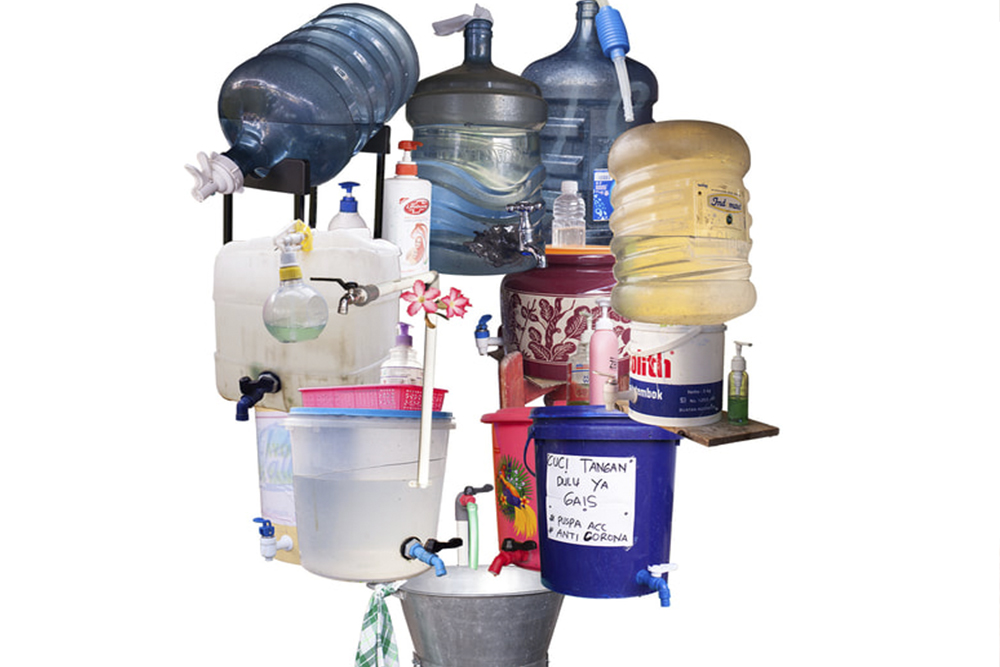
Everyone was affected, everyone felt, everyone stuttered in the face of the pandemic. In March 2020 the Indonesian government announced the first positive case of covid 19 in the country. Following the World Health Organization’s recommendations to stay at home, maintain physical distance, wear a mask when leaving the house, and wash hands with soap as often as possible is an effort to prevent the spread of the Covid 19 virus. We are forced to adapt and survive with this new situation.
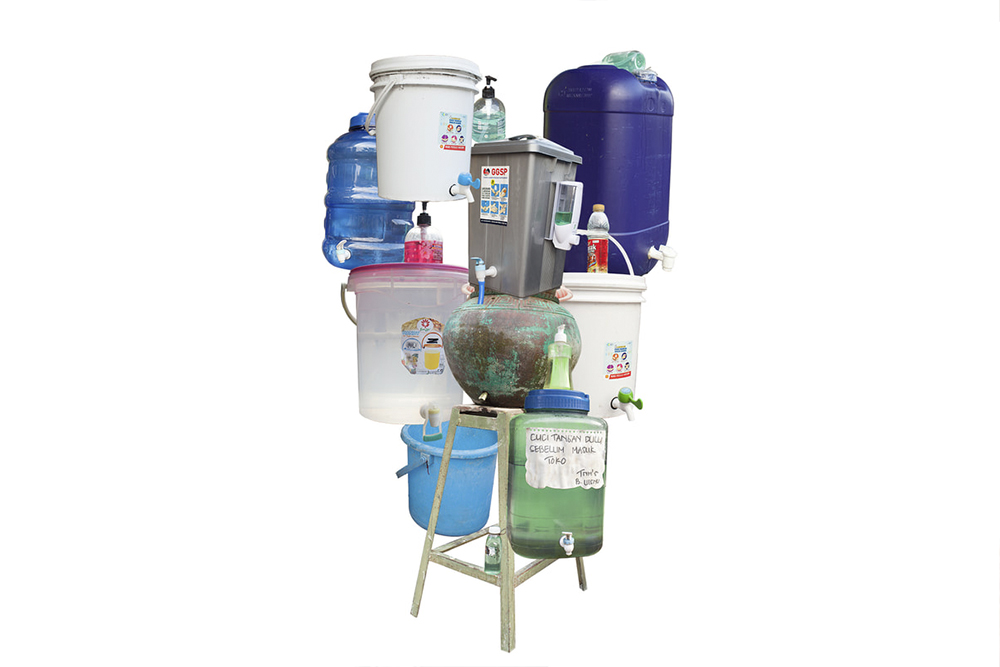
The local government then requires businesses to follow health protocols such as providing handwashing stations in front of their businesses, requiring sellers and buyers to wear masks and maintain a safe distance of at least 1 meter. The provision of a handwashing station in front of the house is not a new thing, there is a local wisdom called Padasan in the ancient Javanese community, which provides a water container like a clay barrel in front of their house, with the aim that homeowners or people who visit can wash their hands and feet before entering the area inside the house. Over time, this custom has been abandoned by modern society, and has reappeared during this pandemic.
How can artists respond to this situation? At the end of April 2020, I started documenting the handwashing stations that were organized by the community around where I live. I collected the documentation based on one location or one street, then combined them and arranged them into a monument that I call a sanitation monument. The act of making or rearranging these traces is my attempt as an artist to make a marker for today’s event, an event that demands the need to change all our habits in the future.
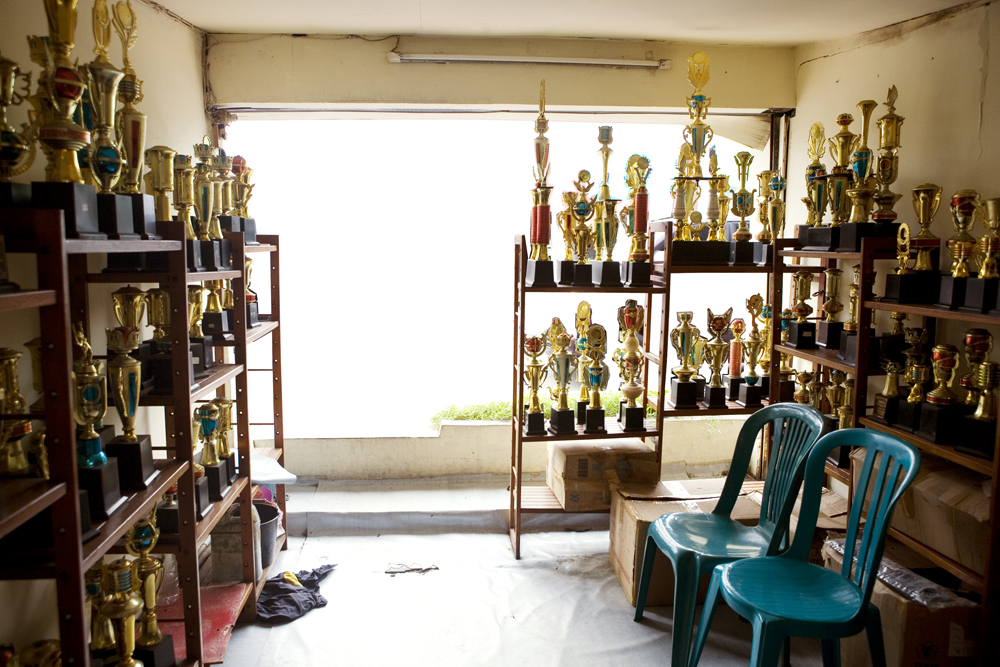
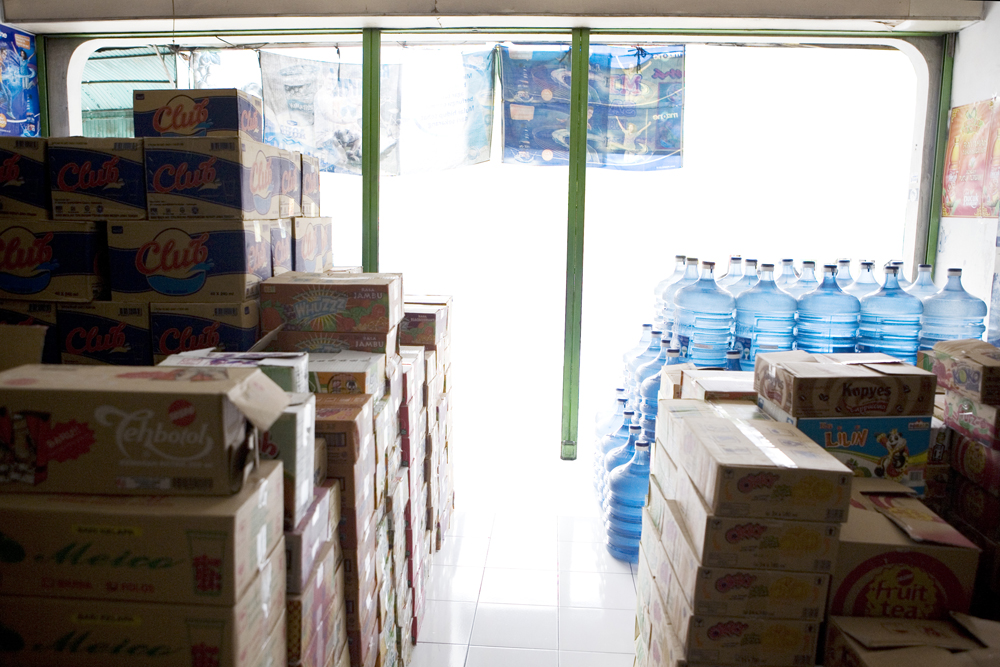
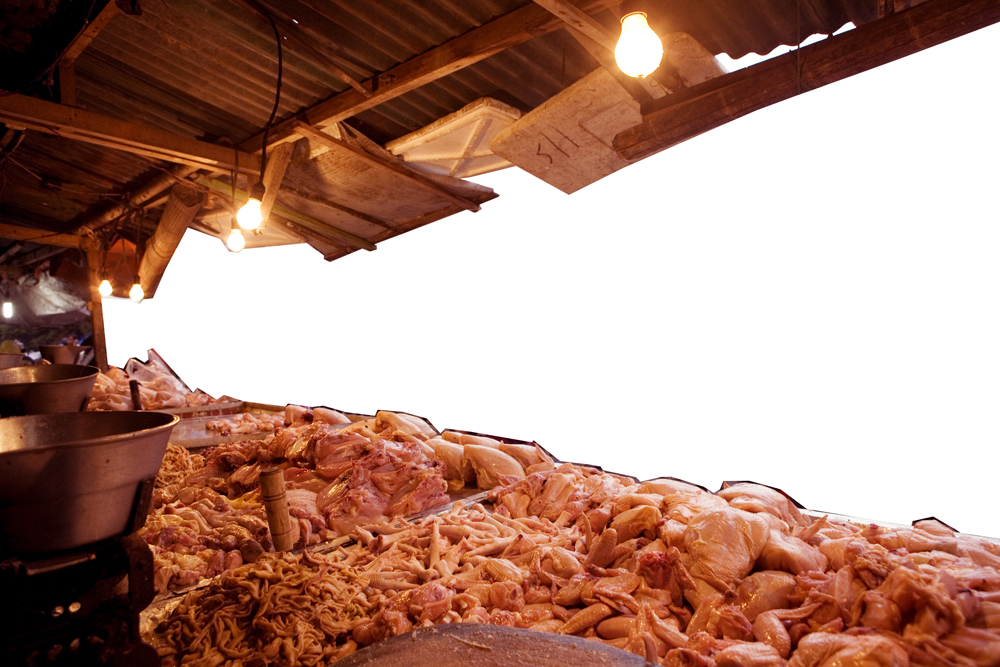
The process of seeing will not be separated from the surrounding objects where he is.
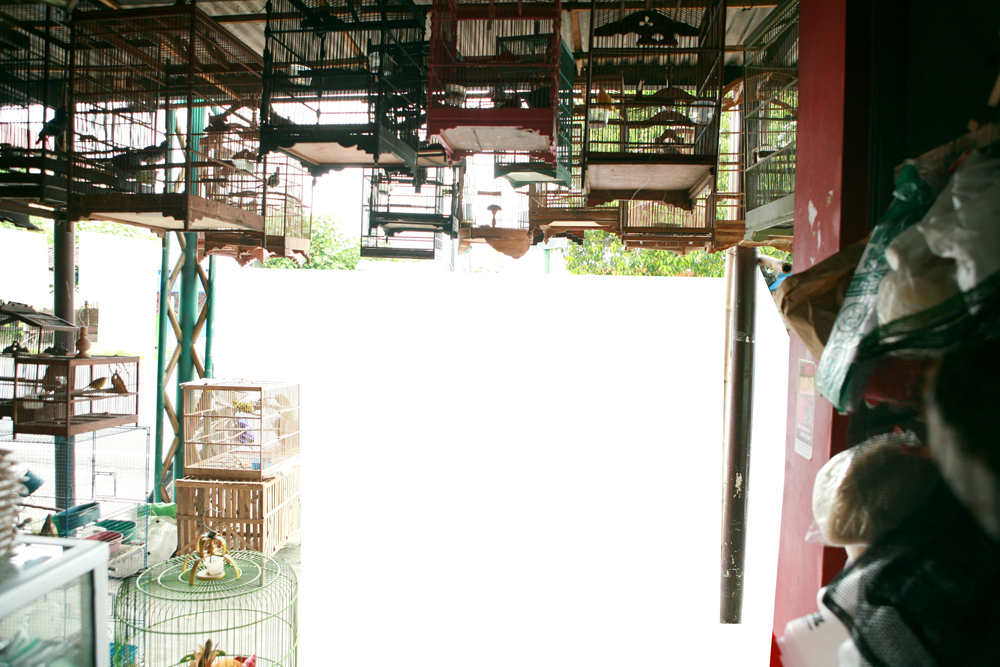
This work is motivated by the awareness of the surrounding objects and their relationship with human perspective. The human perspective of seeing the surroundings is to look from the outside to the inside, in this work I position myself with a reverse perspective, which is to look from the inside then out “wearing eyes and being in the position of the subject of the photo”. For example, a driver or night bus driver, who sees the world in half of his life through the frame of his vehicle’s windscreen. A chicken vendor, who waits for his customers for hours, in front of his merchandise and of course that point of view is “in the frame”, becoming an everyday part of his life. It is important to be able to know what other people always see and perhaps feel in their daily lives, perhaps the works displayed are also daily lives, but perhaps in another consciousness.