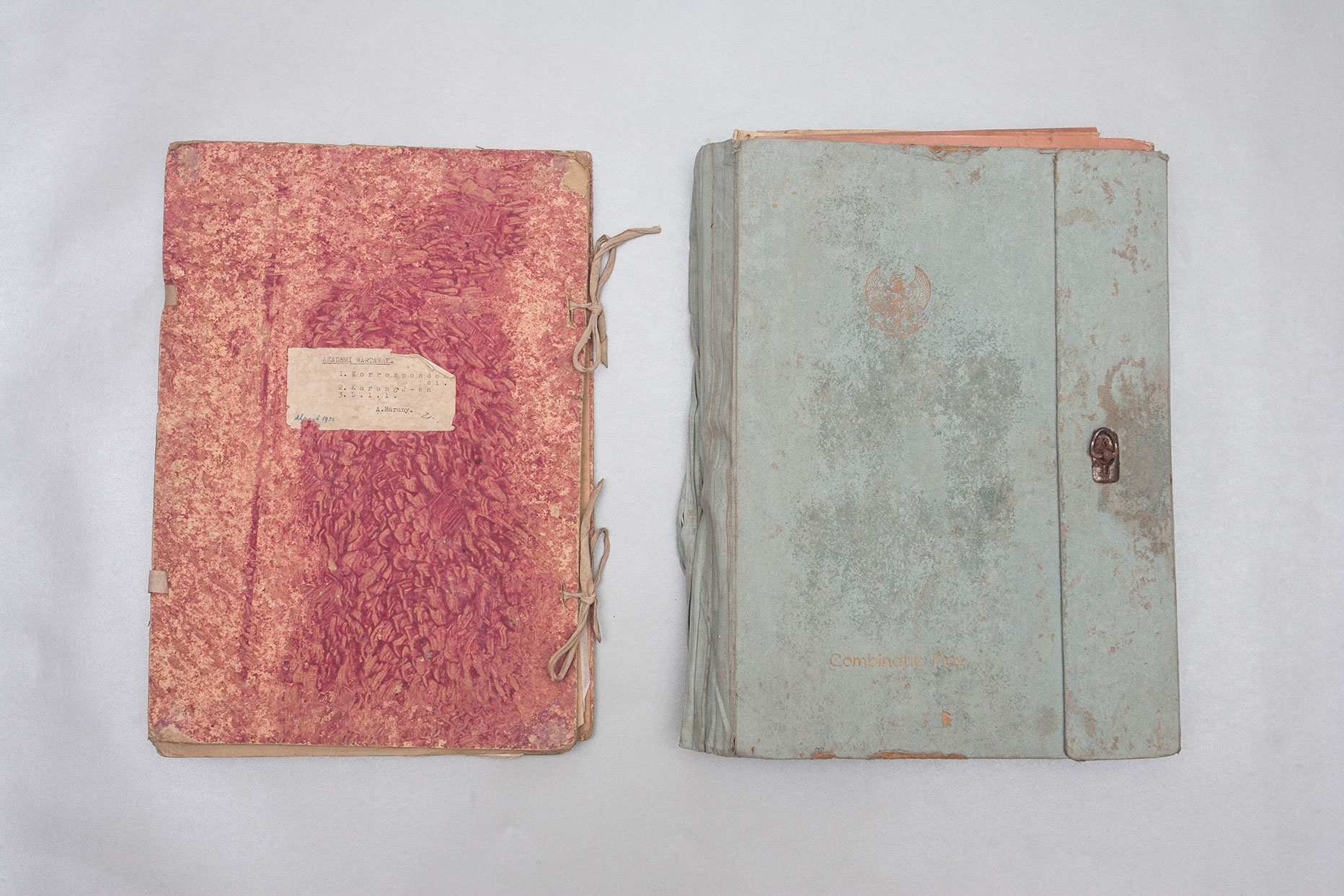
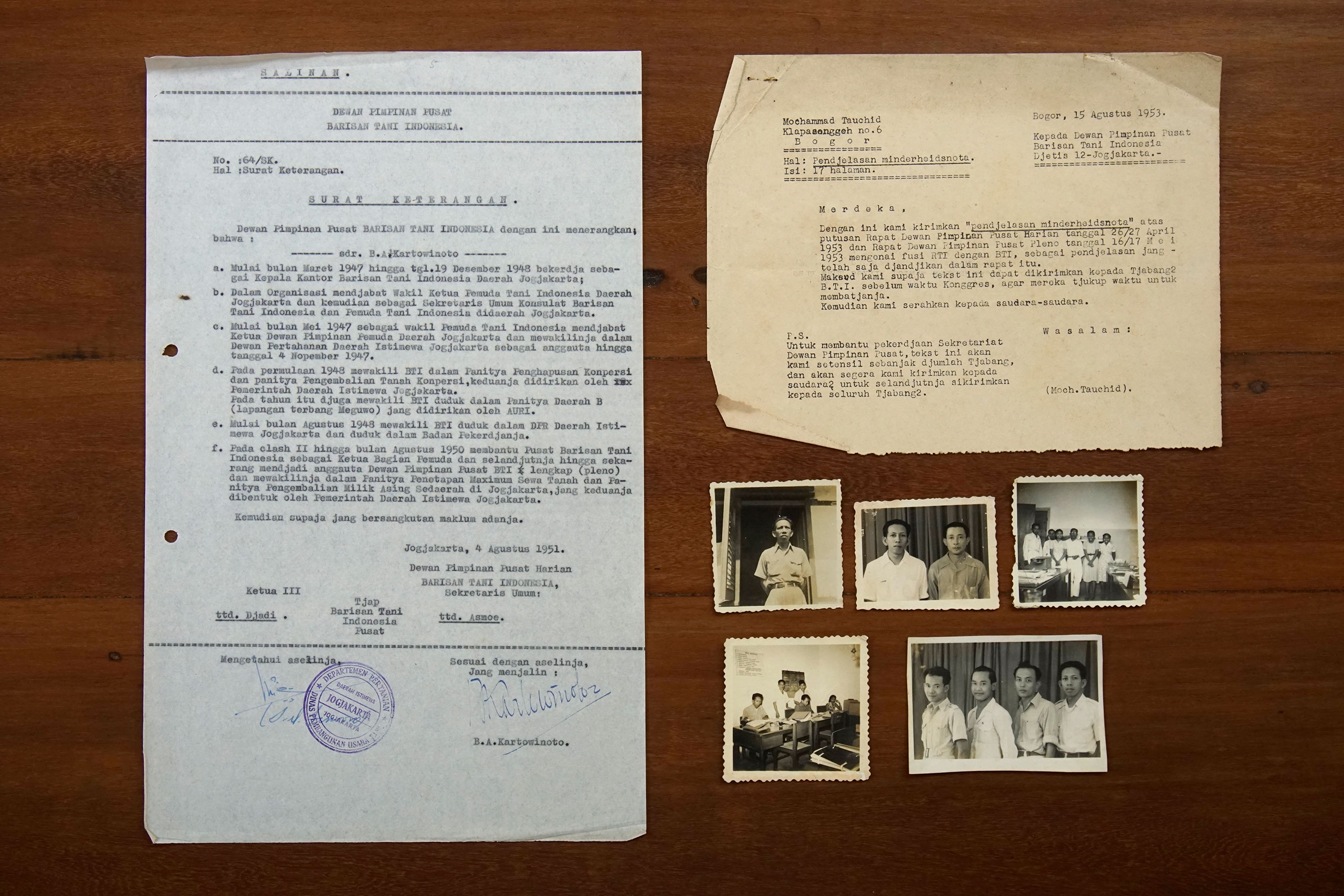
In the late 1960s, between one and two million people killed by Indonesian President, General Suharto’s army in the name of suppressing communism-and more than fifty years later, the issue of stigmatization is still relevant for many victims of the violence and their families. The Gwangju Uprising that took place in the southern city of Gwangju between May 18 and 27, 1980. Nearly a quarter of a million people participated in the rebellion. Although it was brutally repressed, it is considered to have been a pivotal moment in the South Korean struggle for democracy. Both Indonesian and Korean people have been fighting to seek justice of those events until today.
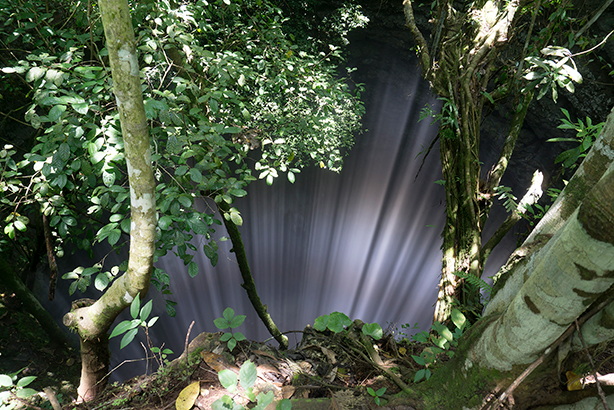
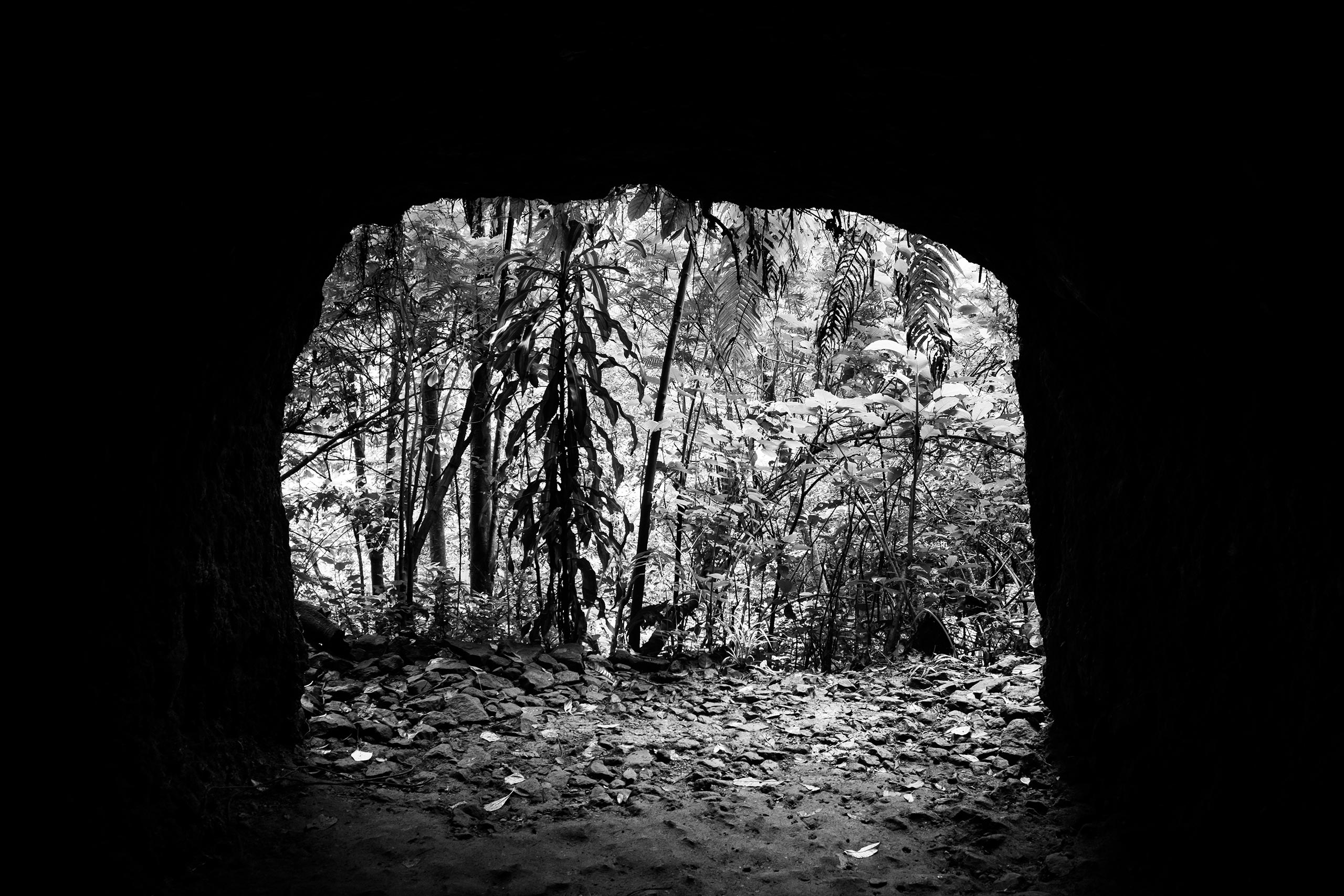
For this project, I plan to visit the places in Yogyakarta and Gwangju that directly related to the 1965 genocide and the Gwangju Uprising issues; the killing site, former secret detention camp, mass graves, hiding places, seized house and building. To re-collecting the memories and spatial narratives. I am interested in the way space or building that change its tales as a result of the conflicts. It is like to decrypt the puzzle one by one, and there are so many layers that hidden in our history that affecting our society nowadays.
Artwork History
2019 Light On The Move, Asia Culture Center, Gwangju, South Korea