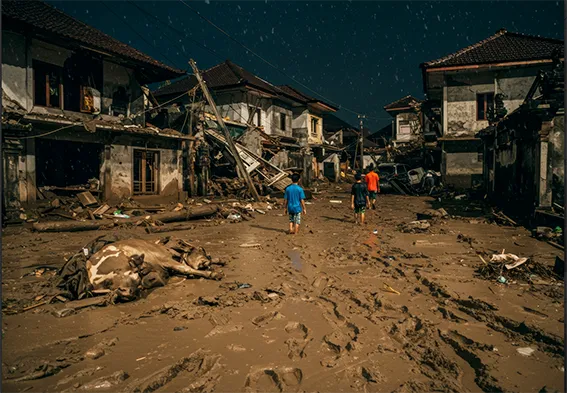
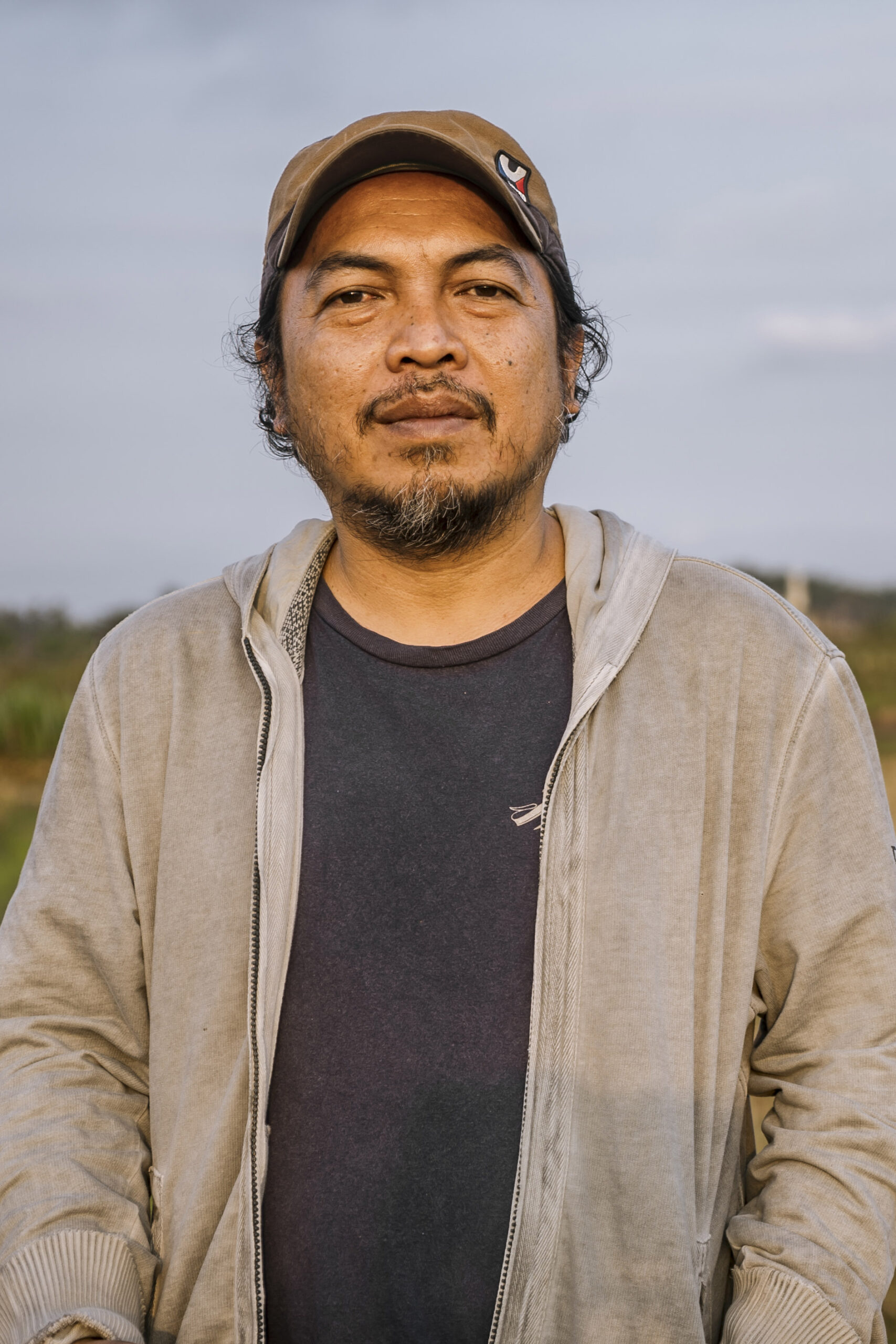
The presence of artificial intelligence (AI) in journalism-oriented photography marks a significant advancement in image quality enhancement, automated editing, and overall workflow efficiency. AI enables improved lighting correction, resolution upscaling, and object recognition—providing valuable support to photojournalists in urgent or high-pressure situations. With this technology, image sorting becomes faster, allowing photographers to focus more on visual storytelling.
However, behind these benefits lie pressing ethical challenges. Excessive manipulation of images can distort the meaning of an event and undermine journalistic credibility. The rise of deepfake technology further intensifies the risk of disinformation, threatening public trust in the media.
Interestingly, the development of AI-generated imagery in a journalistic style echoes the saying: “Fake it till you make it.” In this context, AI can convincingly mimic the visual characteristics of photojournalism—dramatic lighting, signature framing, and strong emotional cues—to produce images that appear authentic. As AI capabilities become increasingly sophisticated, the boundary between fabrication and reality continues to blur. When used irresponsibly, such technologies risk eroding journalistic standards and fabricating realities that never truly occurred.
Artwork History
2025, Postcript/Notabene Program, Ruang Mes 56, Yogyakarta, Indonesia.